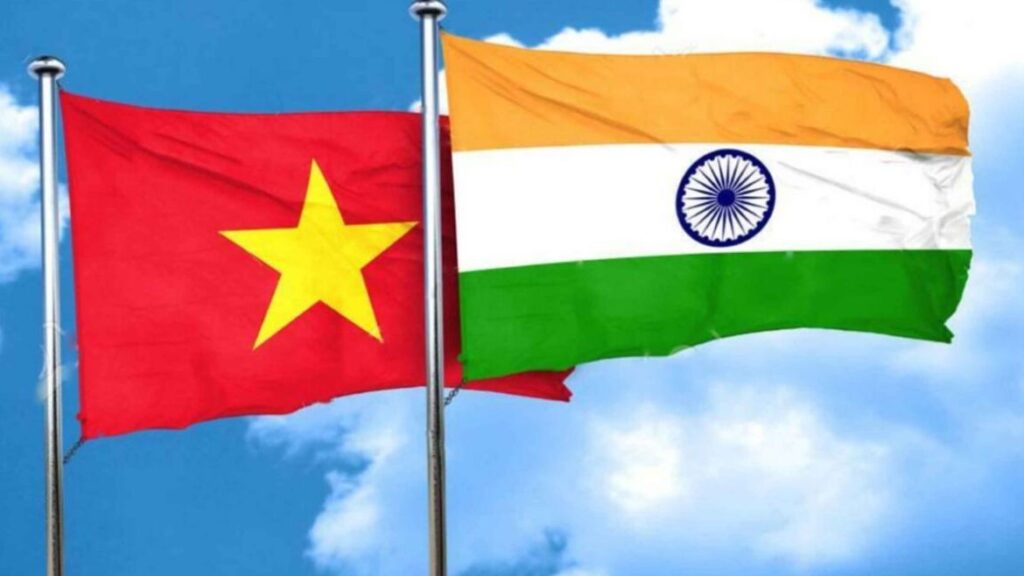
The international order today is characterised by power shift and increasing multipolarity. Countries such as India and Vietnam are working to consolidate the evolving multipolarity in the Indo-Pacific. The article maps the convergences in the Indian and Vietnamese foreign policy strategies and in their approaches to the Indo-Pacific. Both countries confront similar security challenges, such as creeping territorial aggression. Further, India and Vietnam are collaborating with the United States and Japan to maintain a favourable balance of power in the Indo-Pacific. While Delhi and Hanoi agree on the need to reform the United Nations, there is still some distance to travel to find a common position on regional economic architectures. The India–Vietnam partnership demonstrates that nation-states will seek to define the structure of the international order and in this instance by increasing the intensity of multipolarity.
India and Vietnam in the Indo-Pacific